
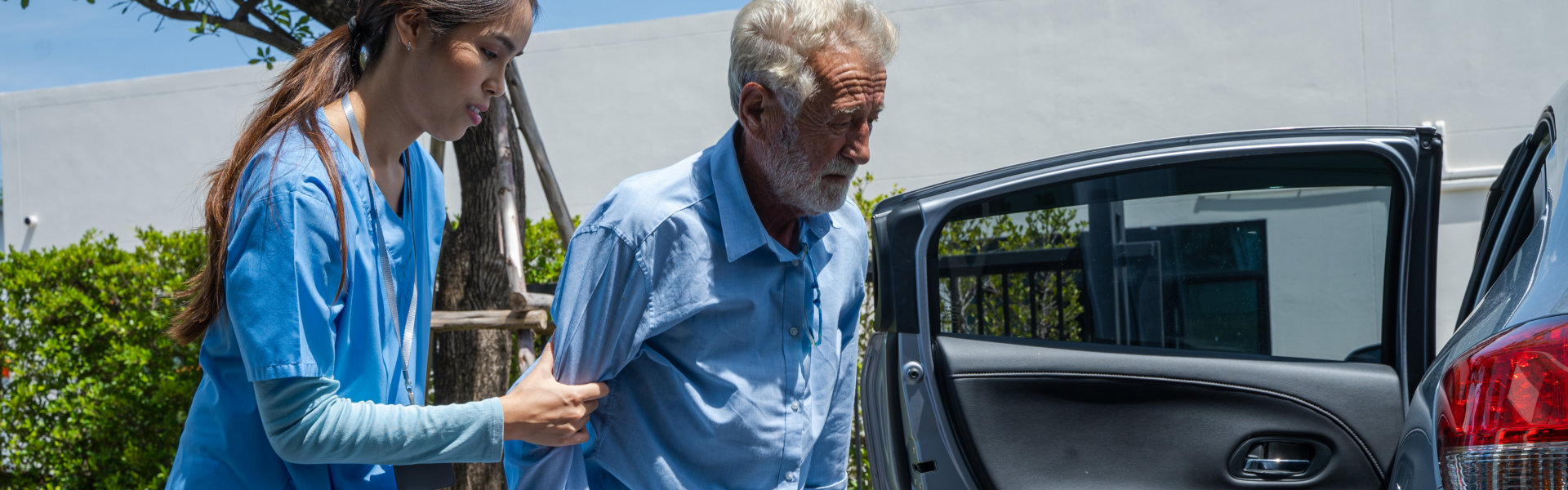
Supporting Mobility and Daily Living
Mobility Support assists seniors with varying levels of mobility, from those who walk independently to individuals who require extensive physical assistance. Delivered by trained caregivers in a residential care setting, this senior mobility support in Vallejo, California, helps residents maintain comfort, dignity, and daily engagement while receiving support appropriate to their physical needs.
How We Help
Has a loved one become increasingly dependent on others for mobility and everyday activities? At Aria Care Homes, we provide individualized support for ambulatory, non-ambulatory, and bedridden residents within our intimate residential environment. Our team assists with daily routines, transfers, personal care activities, and mobility-related needs while adapting support as circumstances change.
Better Care Experience for Every Resident
When mobility challenges make daily tasks more difficult, consistent assistance can help reduce stress and improve day-to-day comfort. Residents benefit from attentive support in a setting where help is readily available and personal preferences remain a priority. Families often appreciate knowing their loved ones are receiving individualized attention in a familiar home environment.
Common areas of assistance include:
- Walking assistance and supervision during movement through living spaces and common areas.
- Transfer support when moving between beds, chairs, wheelchairs, and other appropriate seating surfaces.
- Repositioning assistance for residents who spend extended periods in bed or seated positions.
- Mobility-related help during dressing, grooming, bathing, toileting, and other personal care routines.
- Support for safe participation in meals, activities, social interaction, and familiar daily routines.
By connecting mobility assistance with other daily care services, residents receive coordinated support rather than fragmented help for individual tasks. This continuity allows caregivers to recognize changes in physical ability and adjust assistance to align with the resident’s care needs.
Choosing the Right Level of Mobility Assistance
The appropriate level of mobility support depends on current physical abilities, the amount of assistance required for transfers and personal care, and the frequency of help needed throughout the day. Some residents remain ambulatory but benefit from supervision and a steady presence during movement. Others may use mobility devices, require hands-on transfer assistance, or depend on caregivers for repositioning and extensive daily support. Evaluating these practical needs helps families consider a setting that can provide consistent assistance while supporting comfort and participation. Changes in balance, endurance, strength, or dependence on others may indicate that a higher level of daily support is appropriate. A residential environment with available caregiver assistance can help address these evolving needs while maintaining personal routines, social connections, and daily engagement within the overall care experience.
Frequently Asked Questions
What does mobility support include?
How does mobility assistance support daily routines?
Can mobility support help ambulatory residents?
What support can non-ambulatory residents receive?
How can mobility needs change over time?
Can bedridden residents receive mobility-related assistance?
What factors help determine the appropriate level of mobility support?
Welcome Home to Aria Care Homes
Whether at our Vallejo or Fairfield location, Aria Care Homes is more than just a facility. We are a trusted partner for families, protecting the quality of life for your loved ones every single day. Reach out to us to learn more about our residential care services.